Actual Vintage, Not Vintage-Style
Most of what sells as "vintage" online is a new garment cut to look old. What we have is the other thing: pieces that were made decades ago, worn, kept, and eventually sent to us by the person who owned them.
FashionablyGood is a 501(c)(3) nonprofit. We don't buy inventory and we don't source from wholesalers, so the vintage rail is whatever donors mail us. That makes it uneven and genuinely one of a kind. When a piece is gone, it's gone, and there is no second one in a warehouse.
The Vintage Rail Right Now (28 Pieces)
Each of these is a single garment, photographed as it actually is. Rentals run $10 to $95 for two full weeks, with shipping free in both directions.
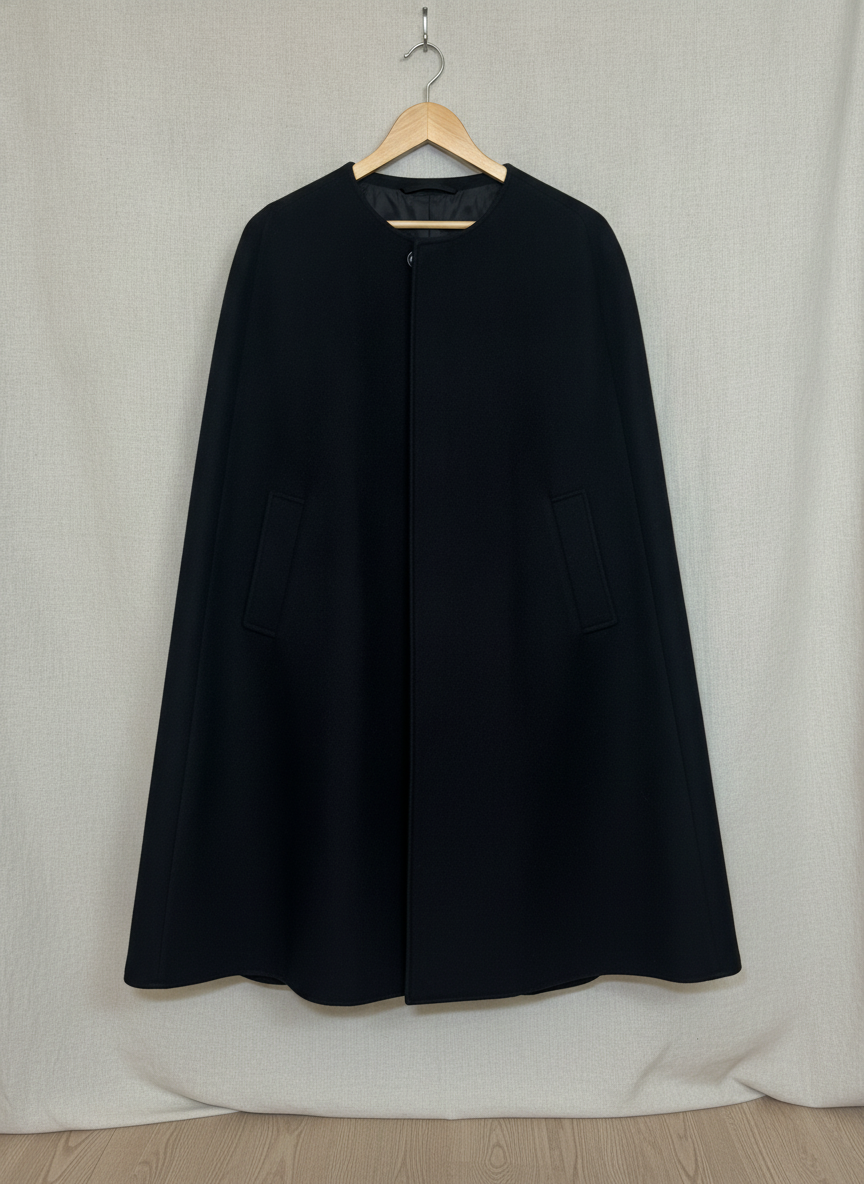
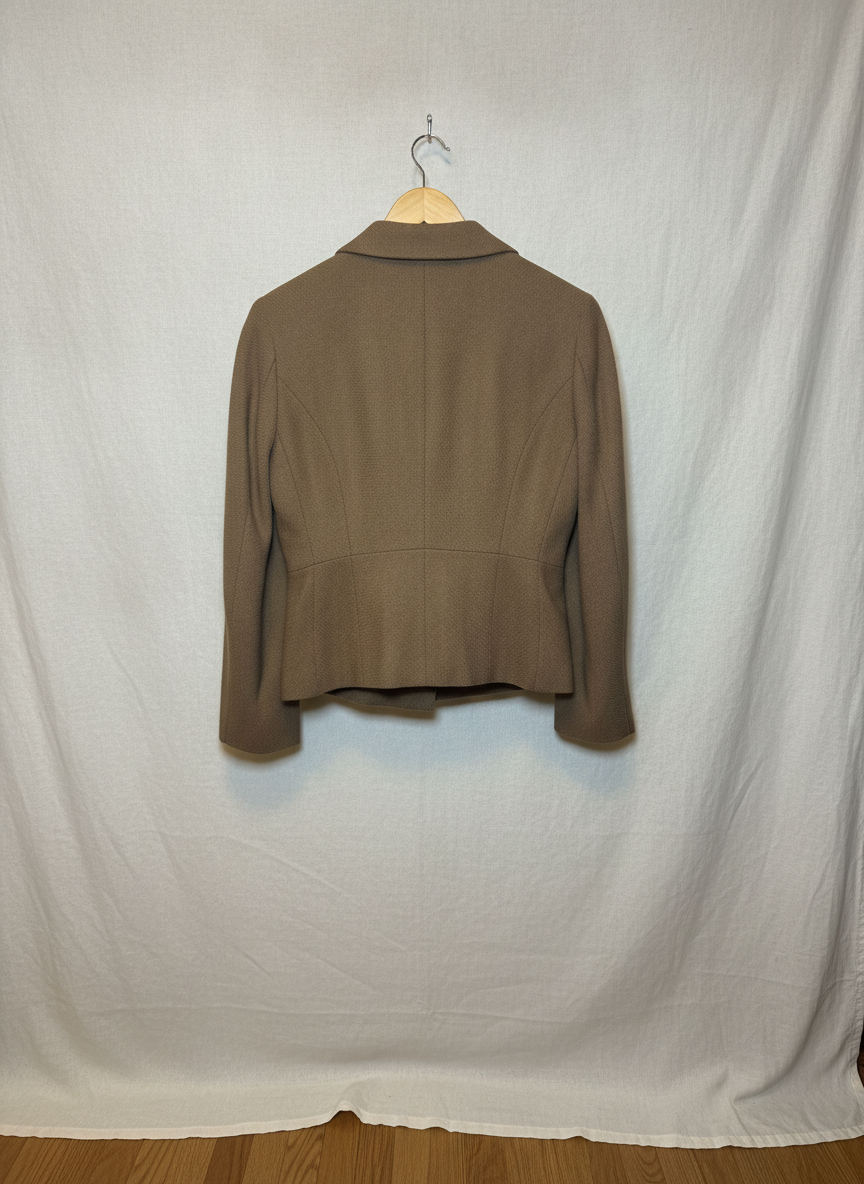
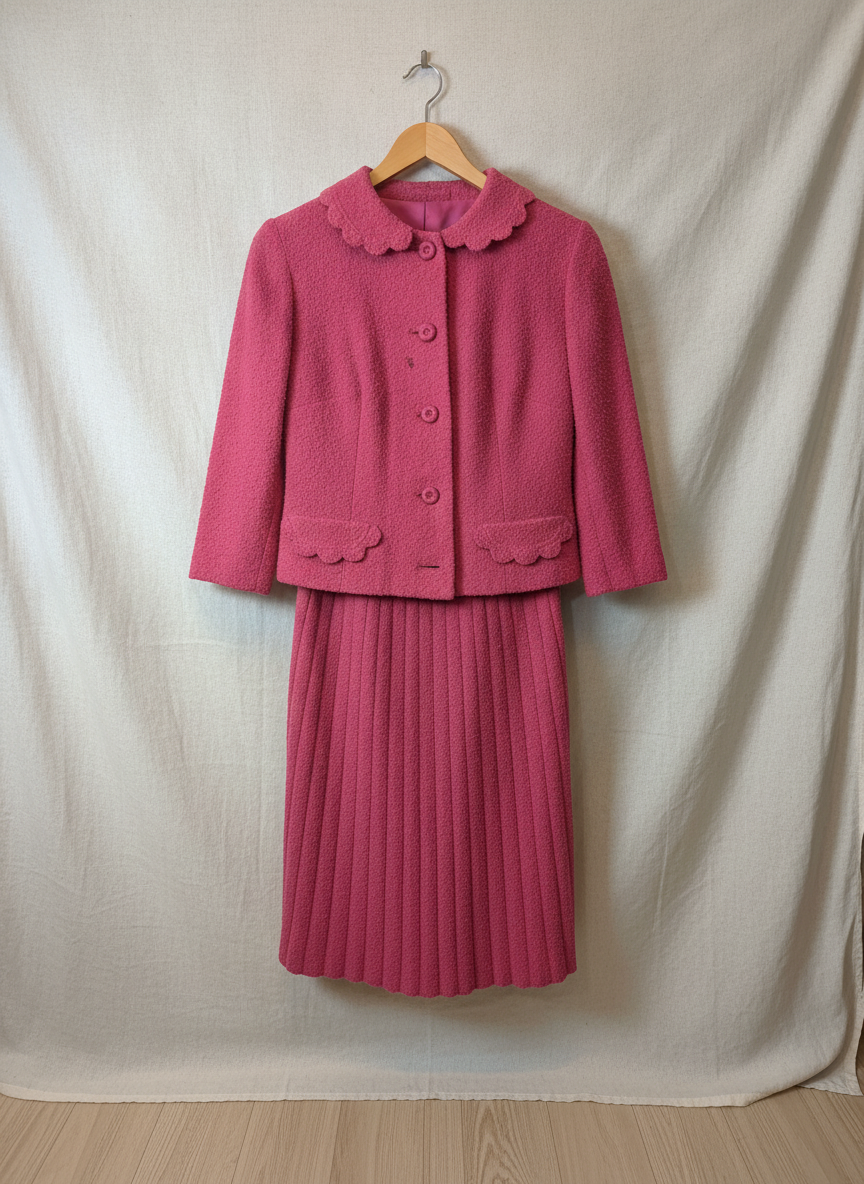
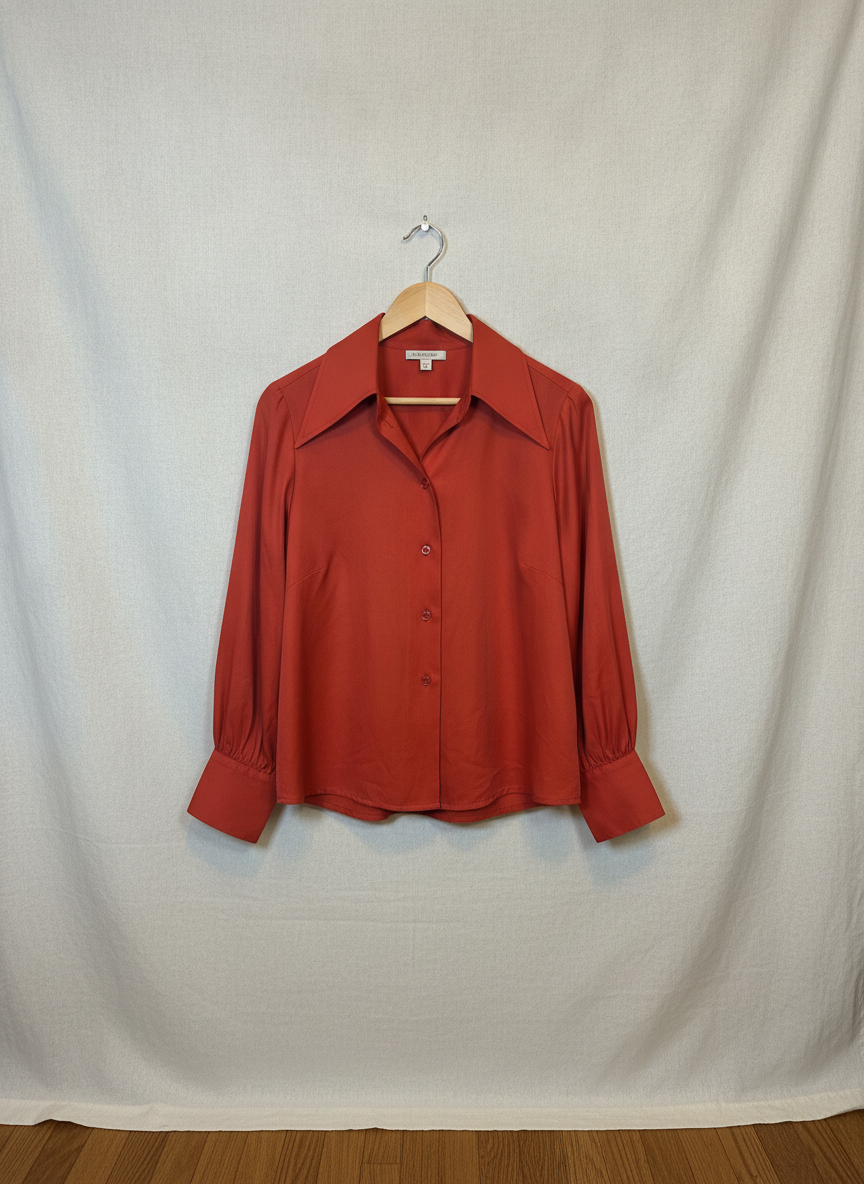
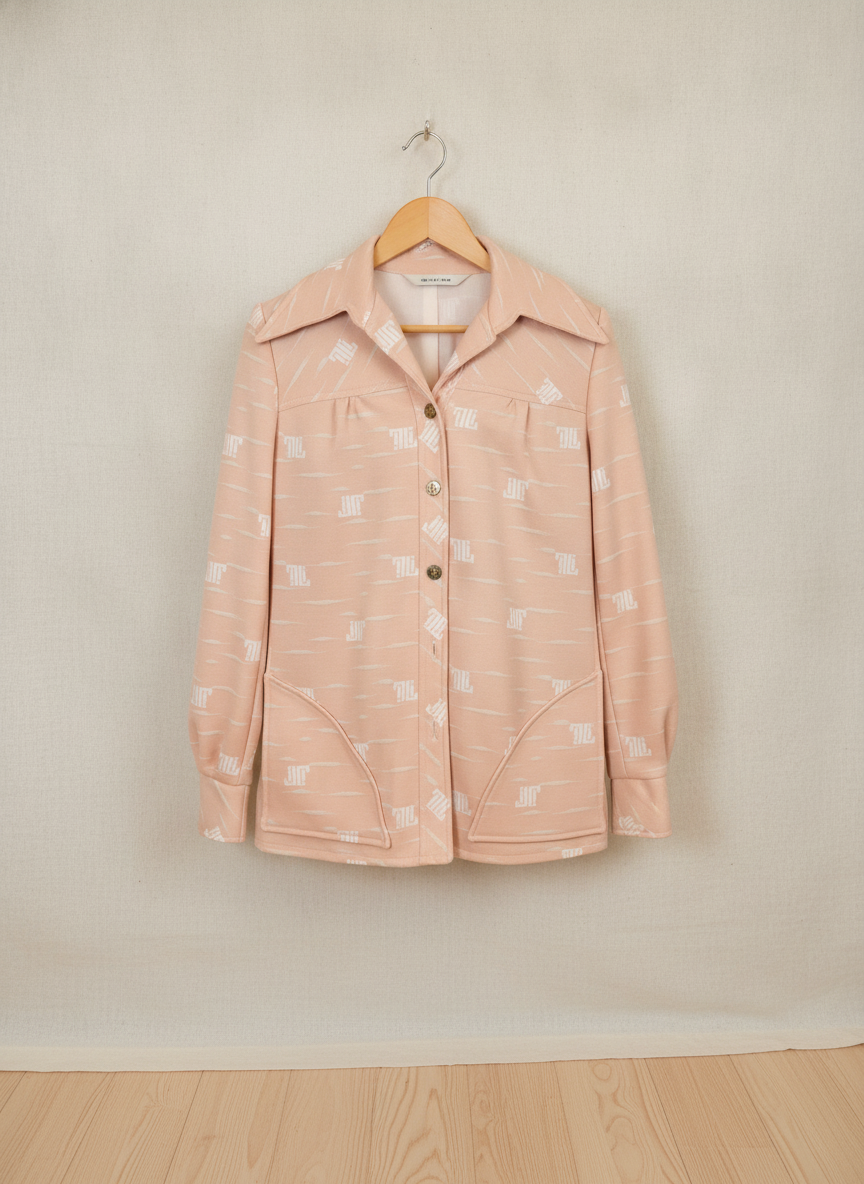
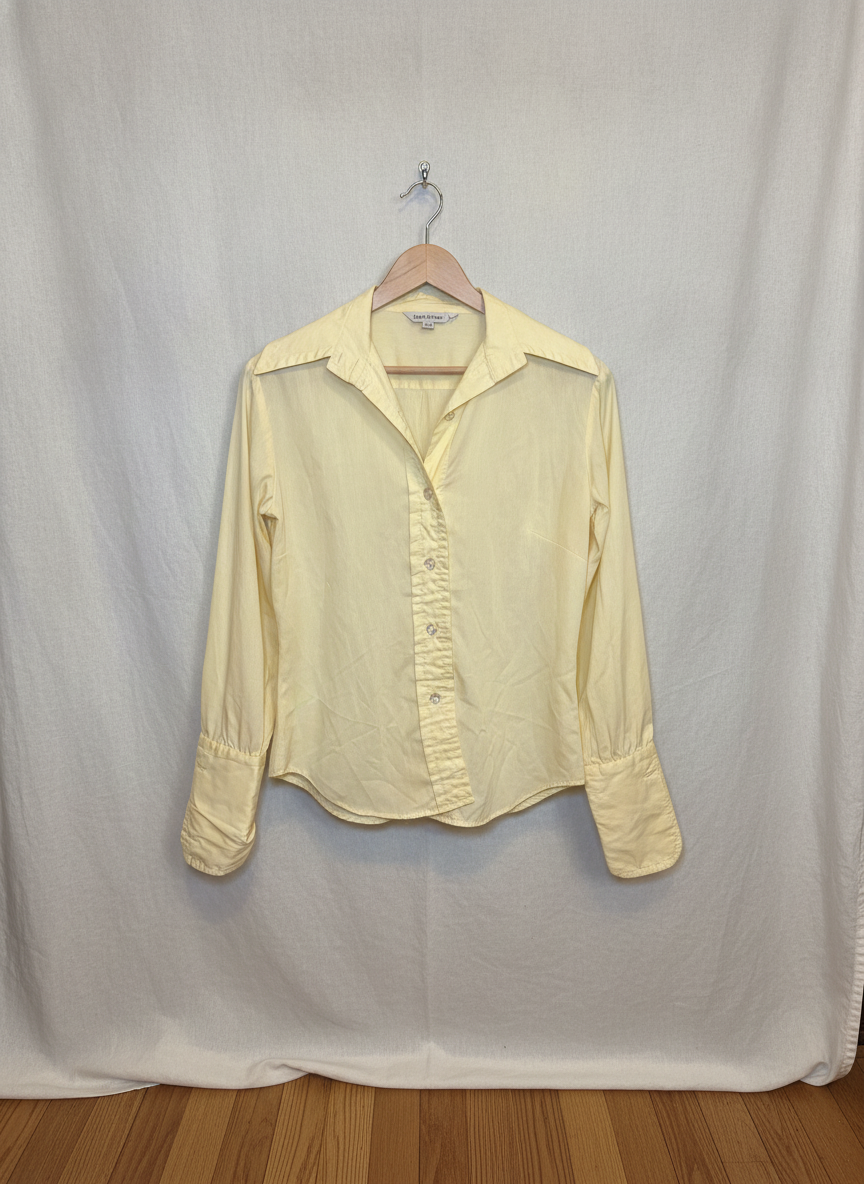
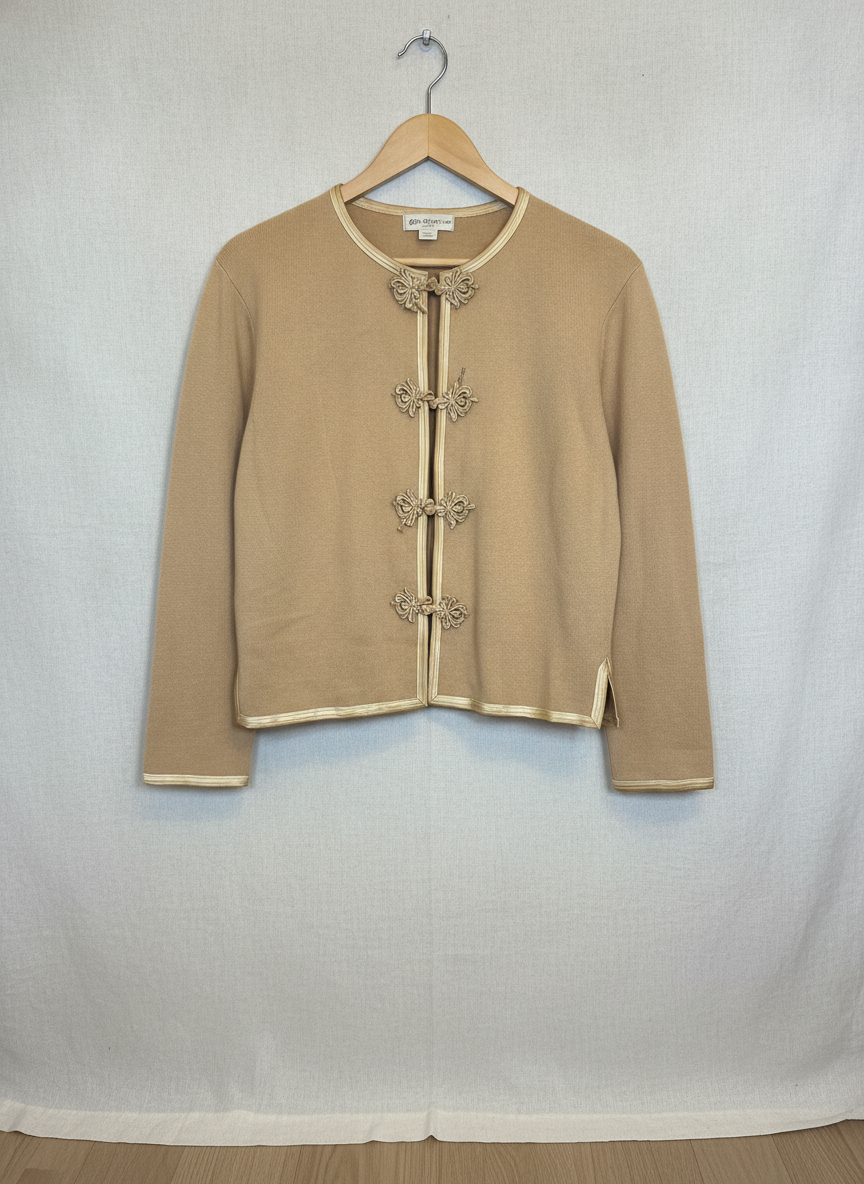
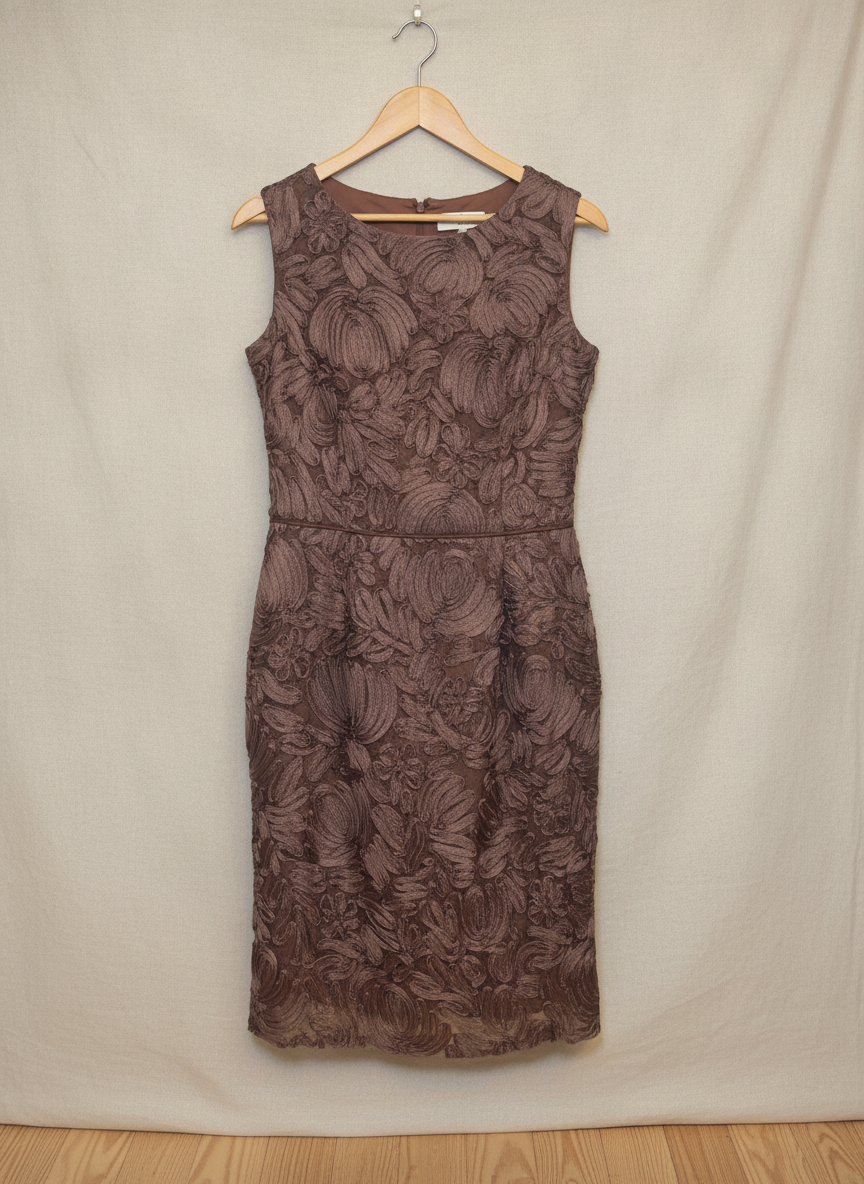
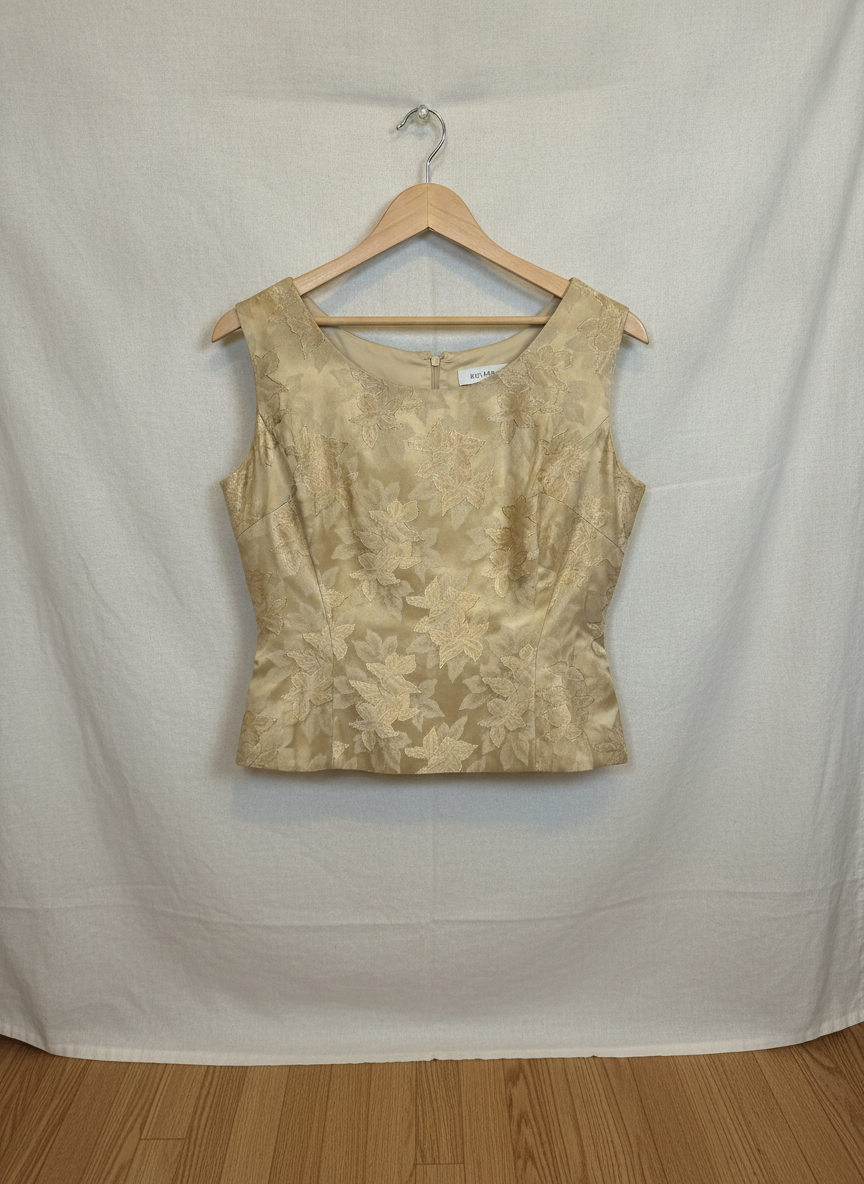
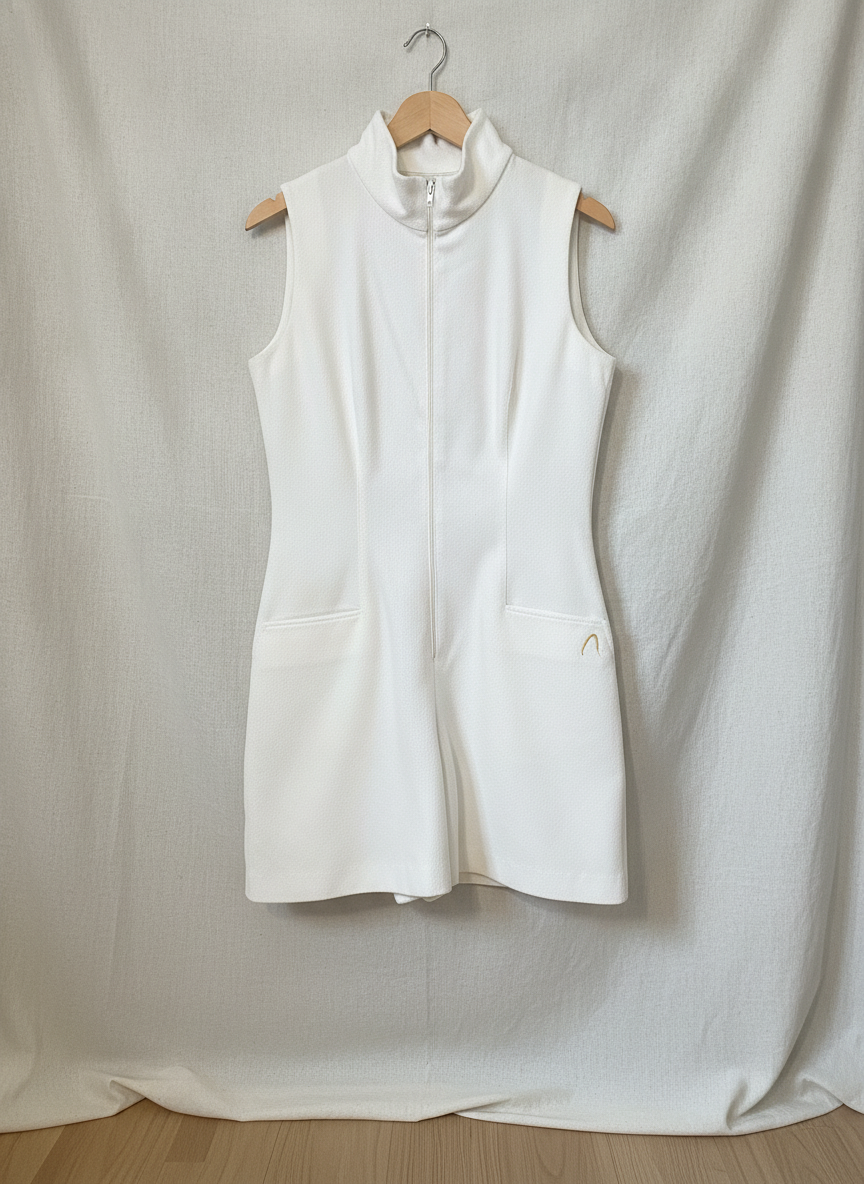
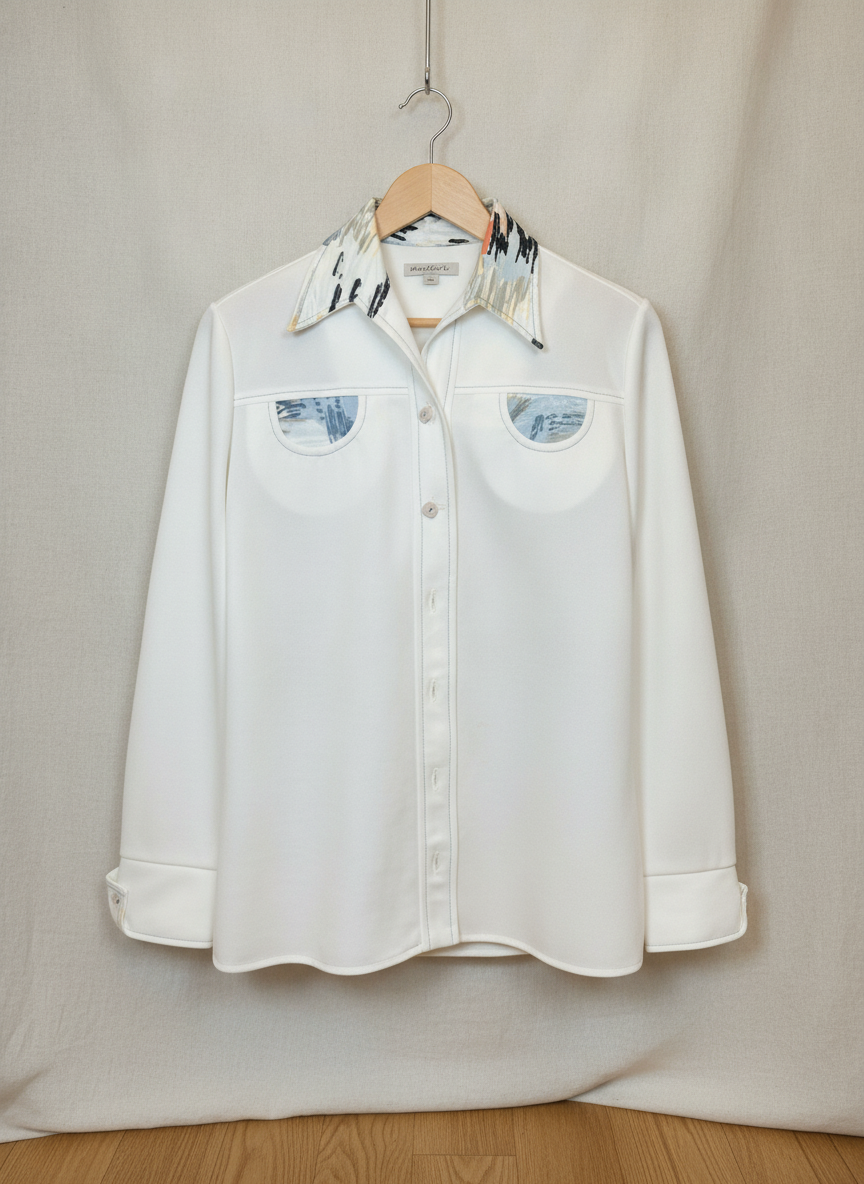
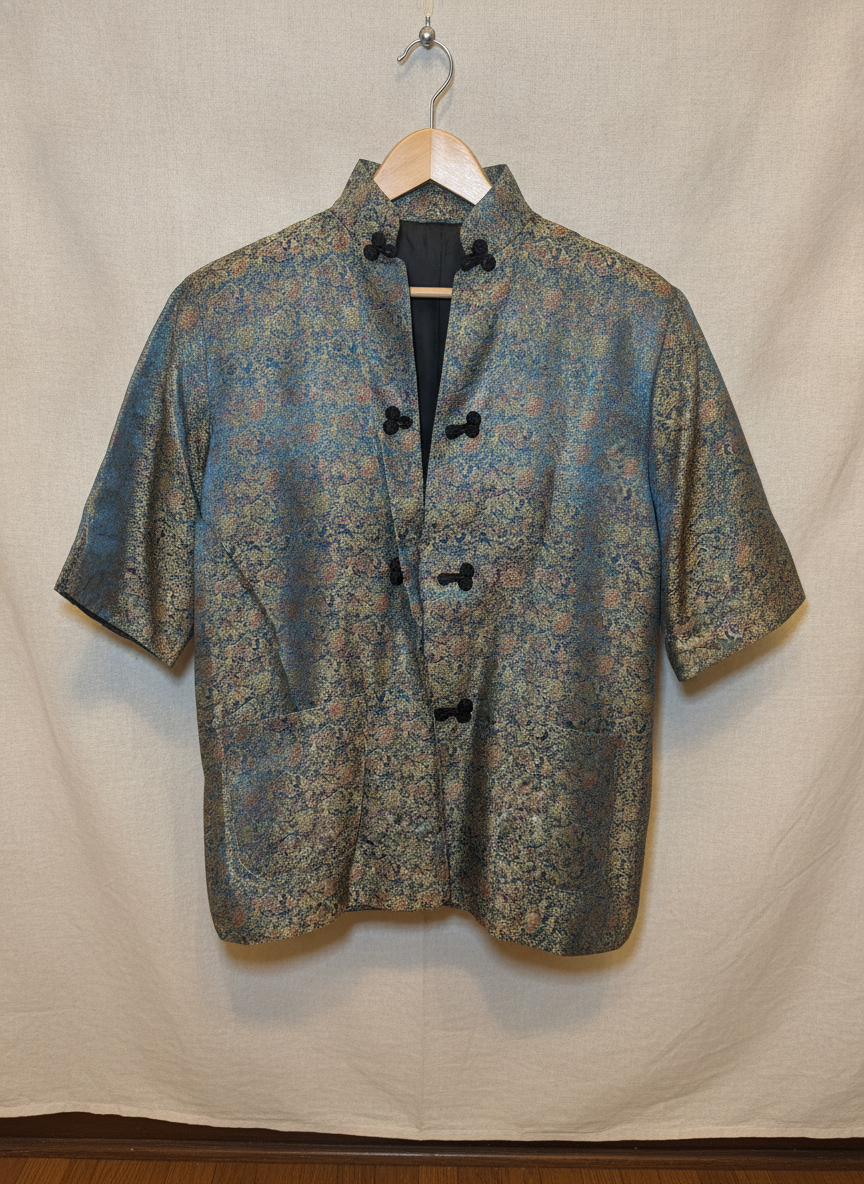
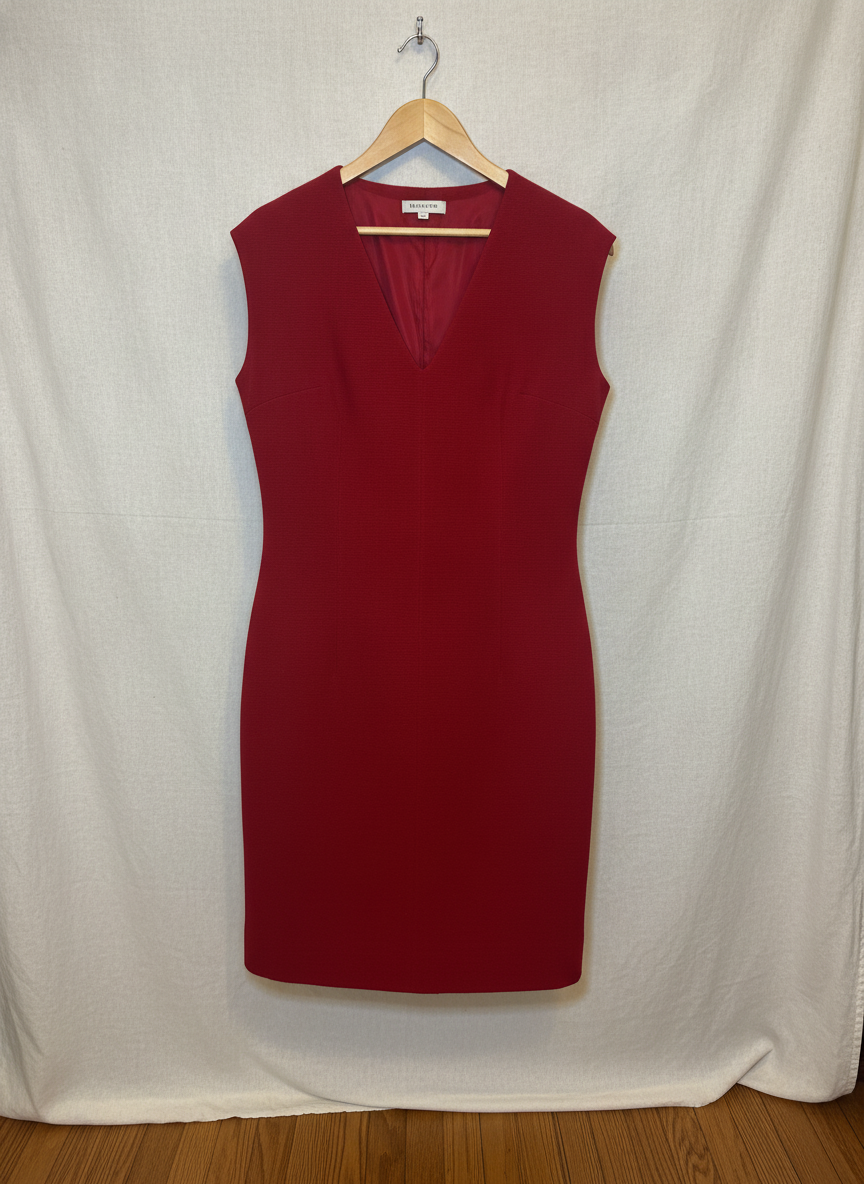
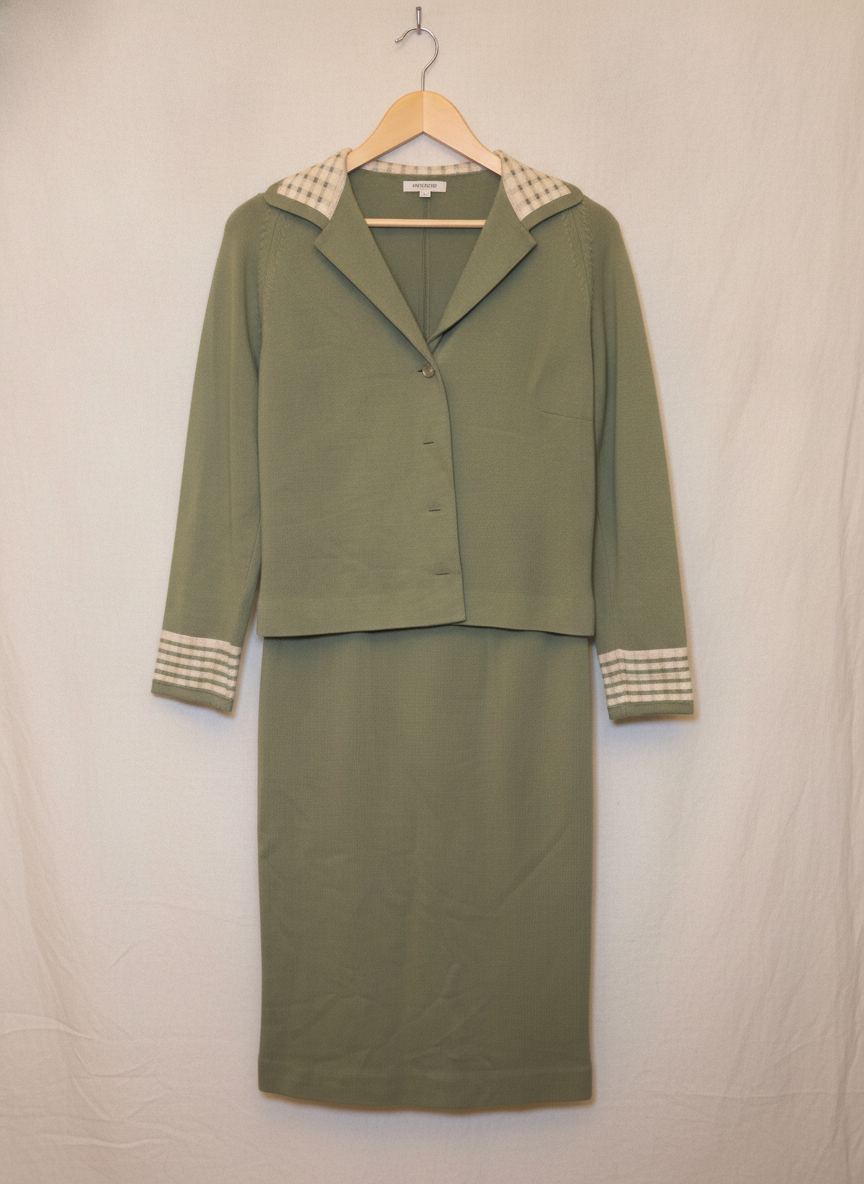
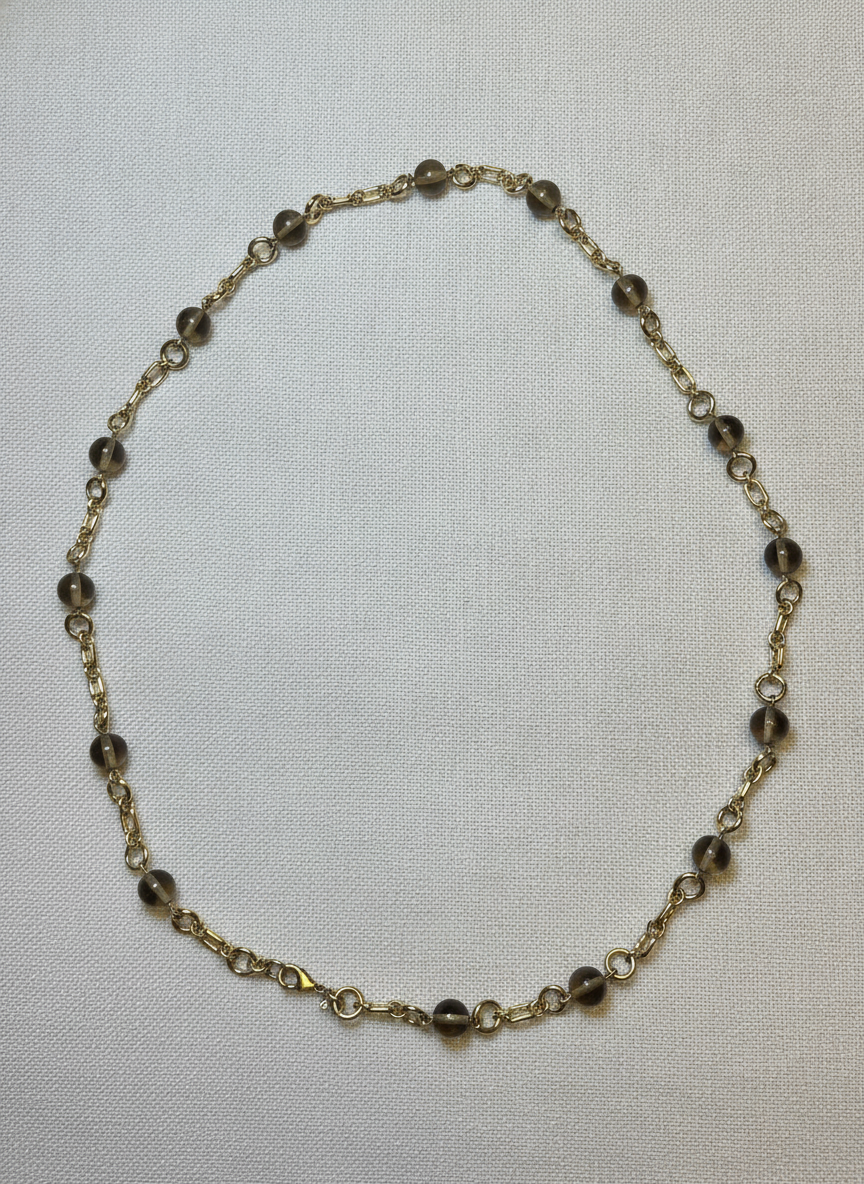
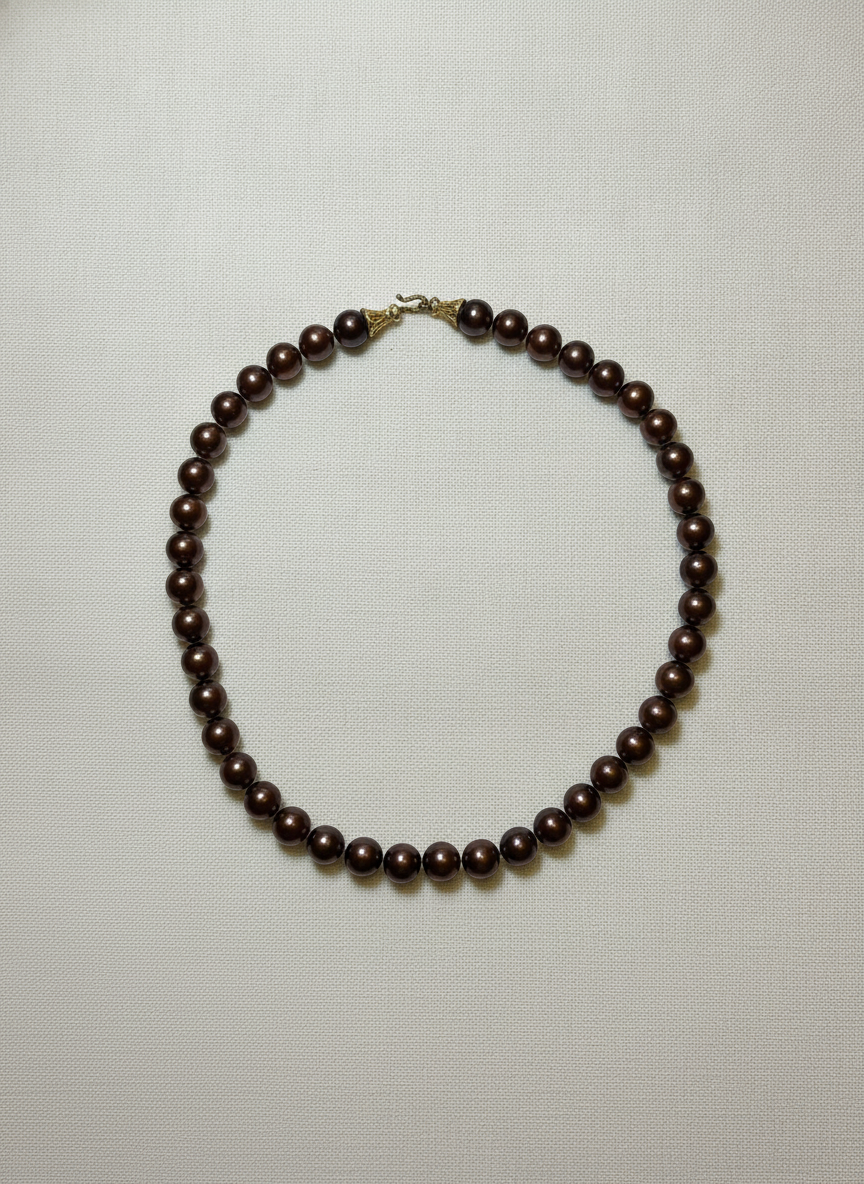
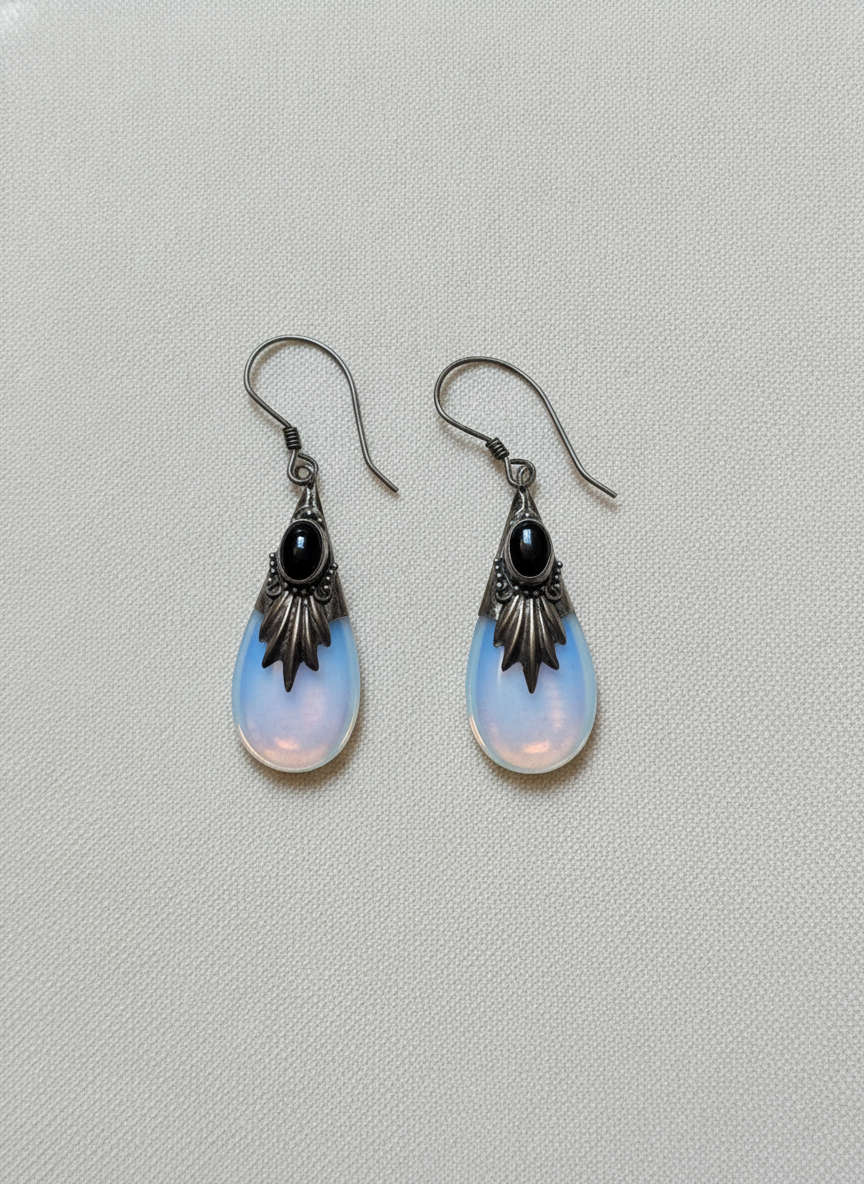
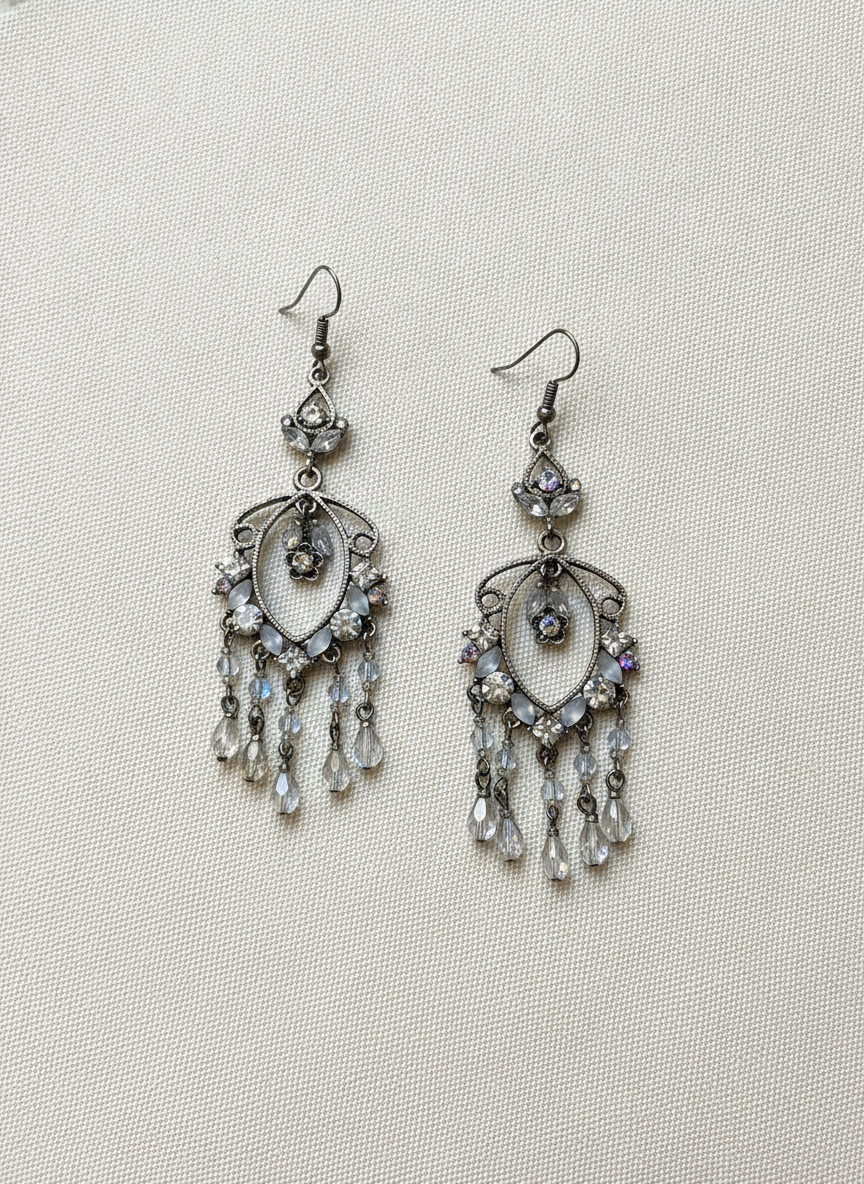
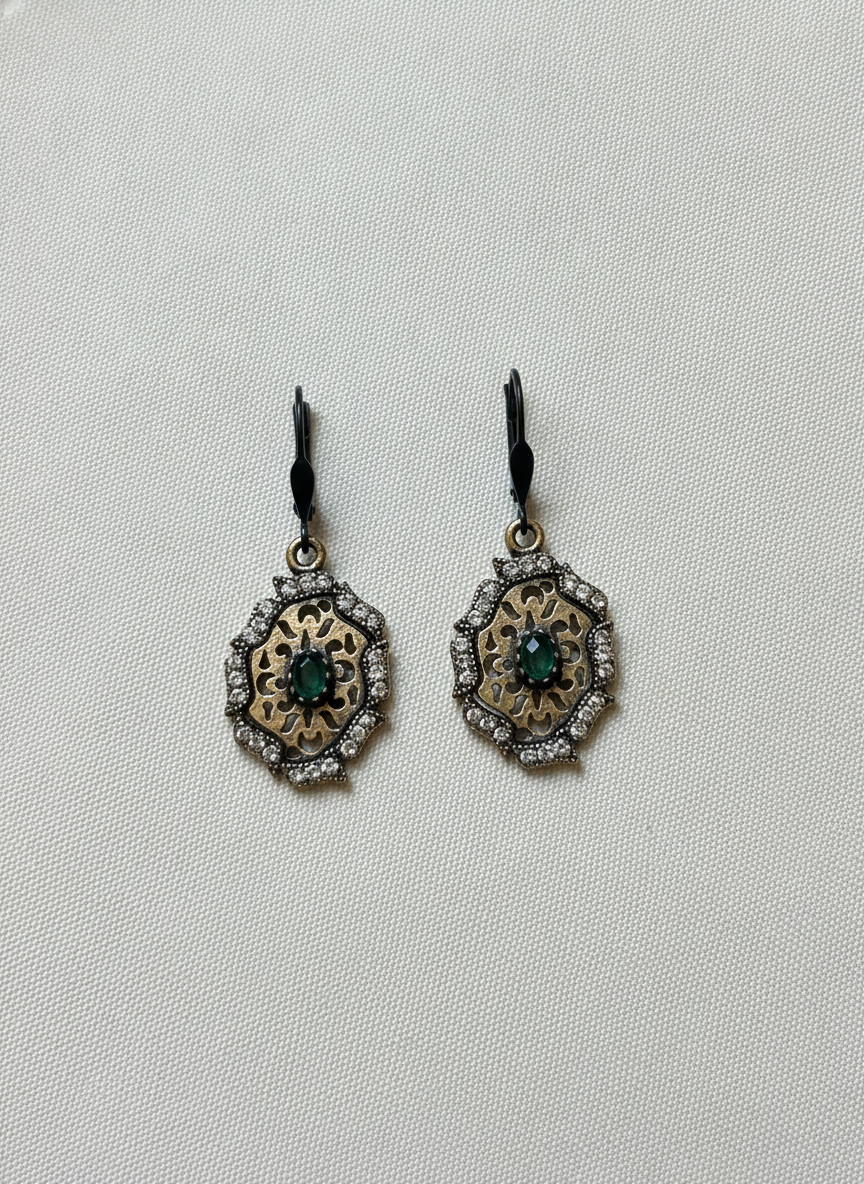
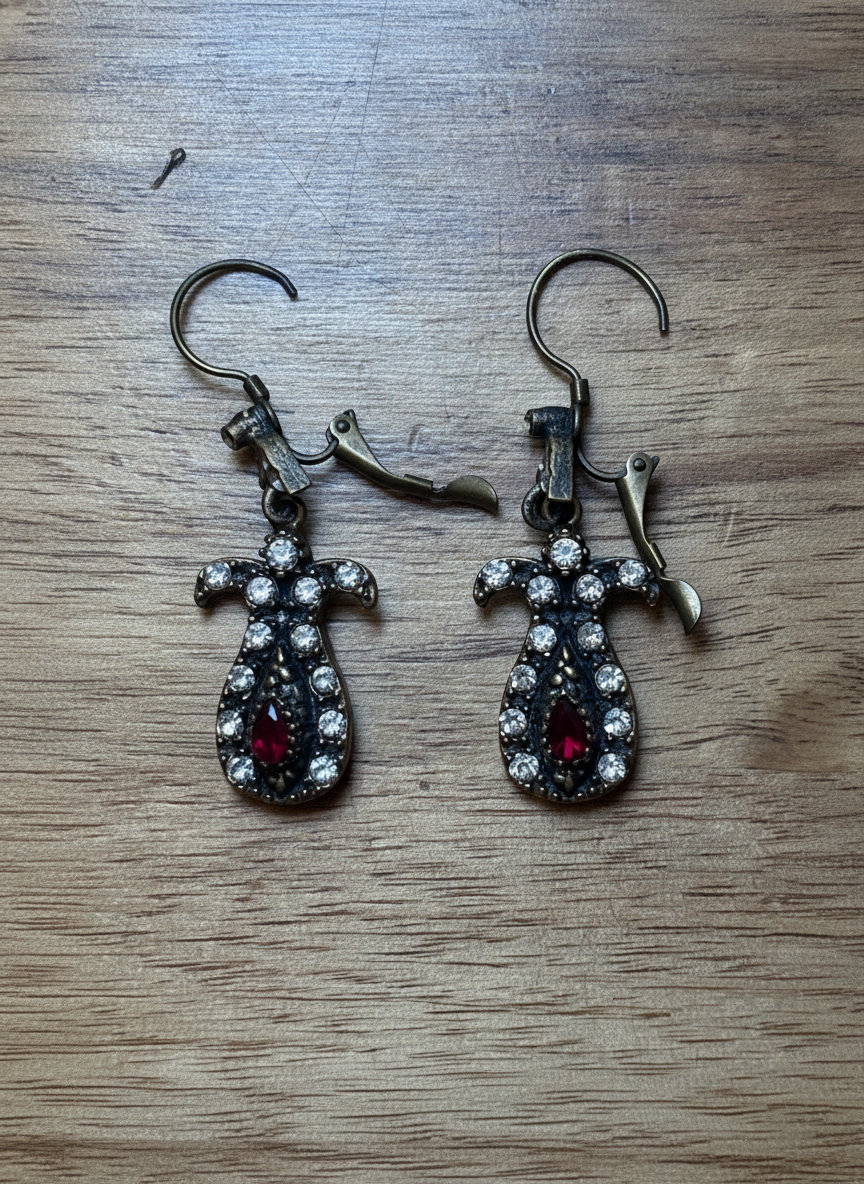
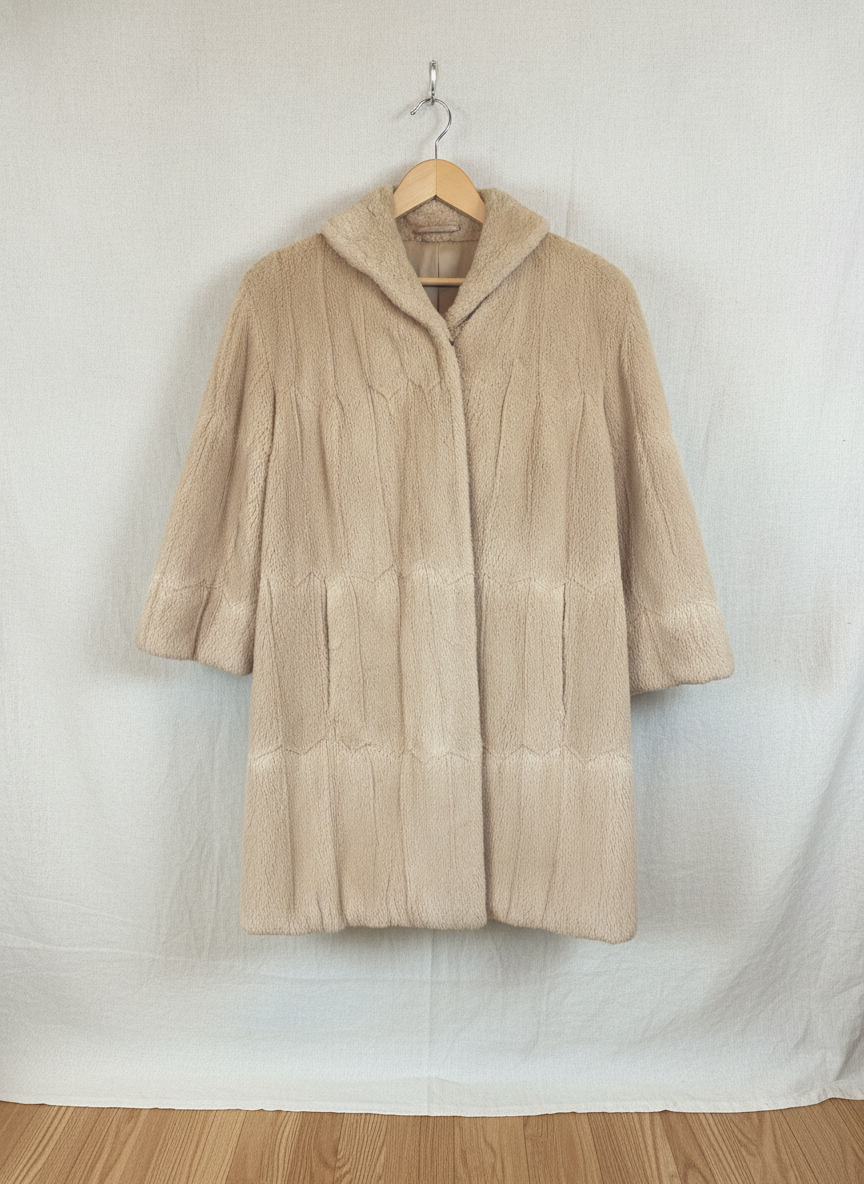
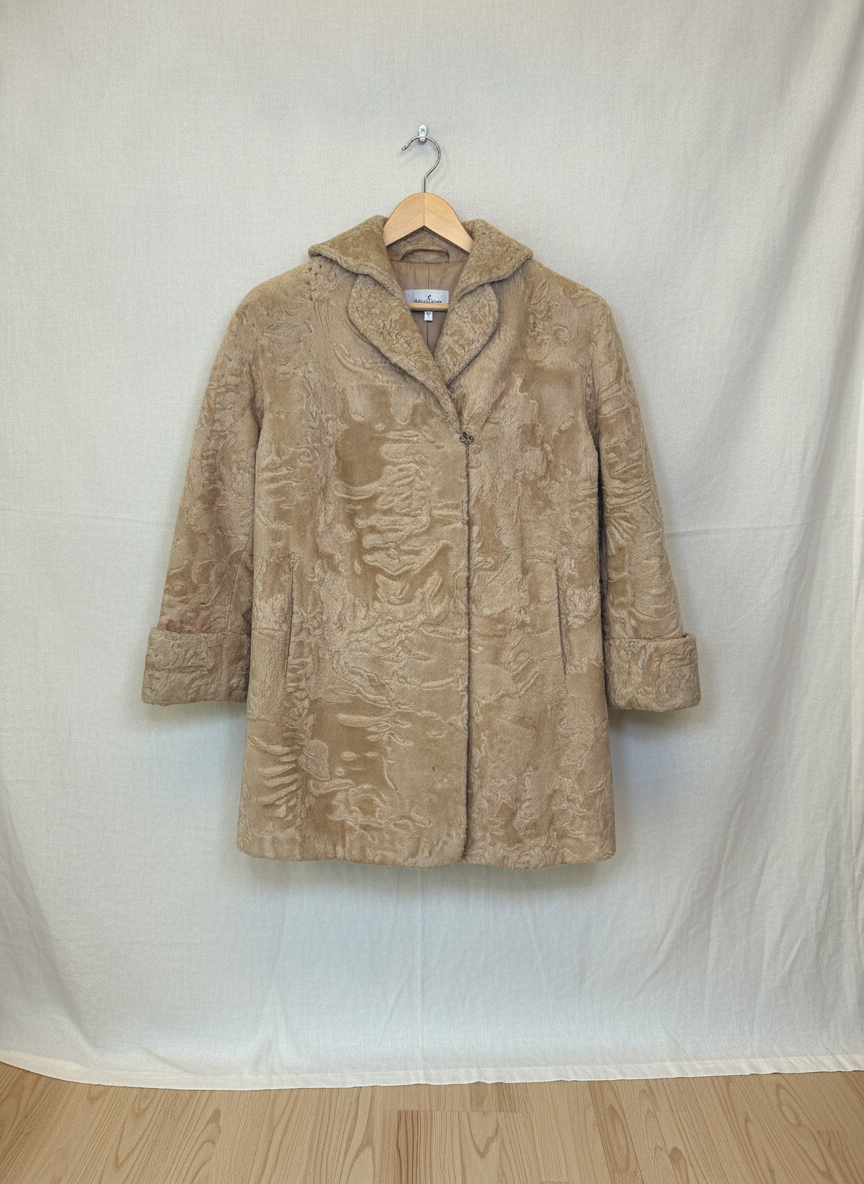
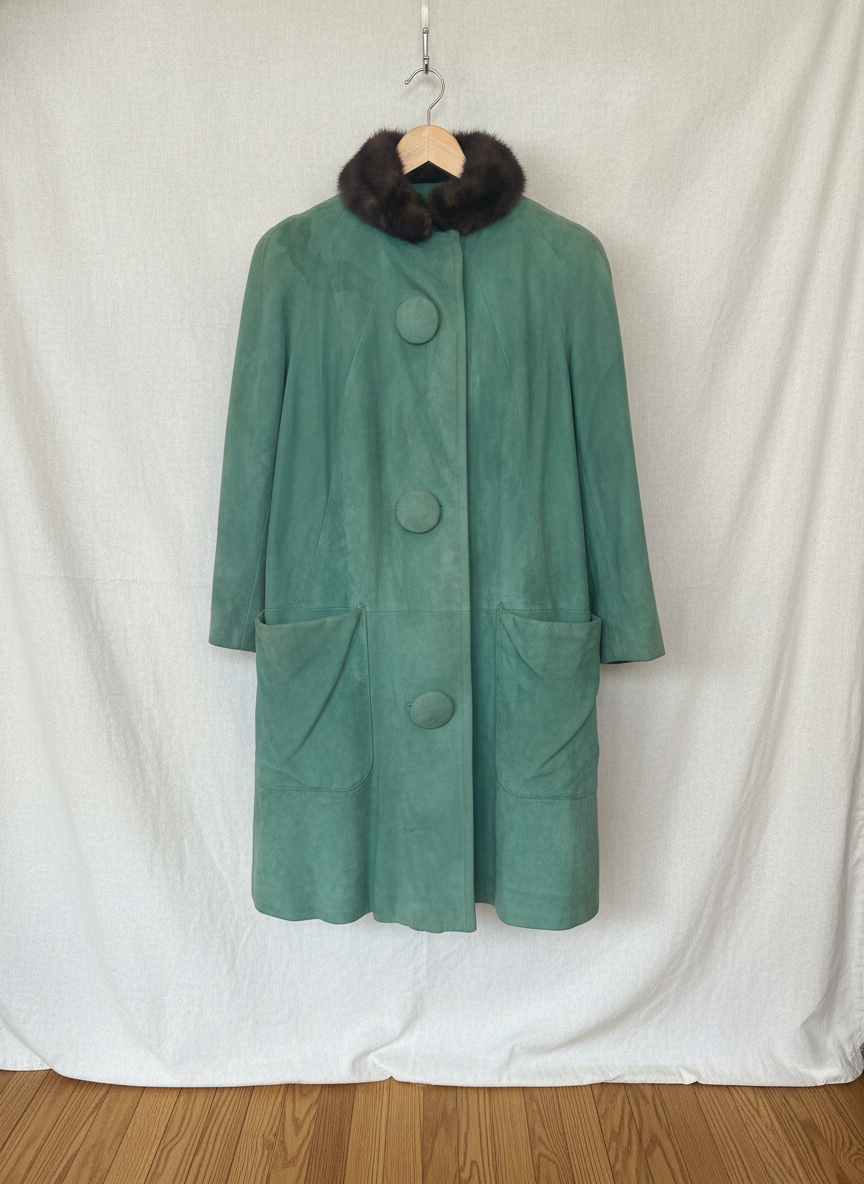
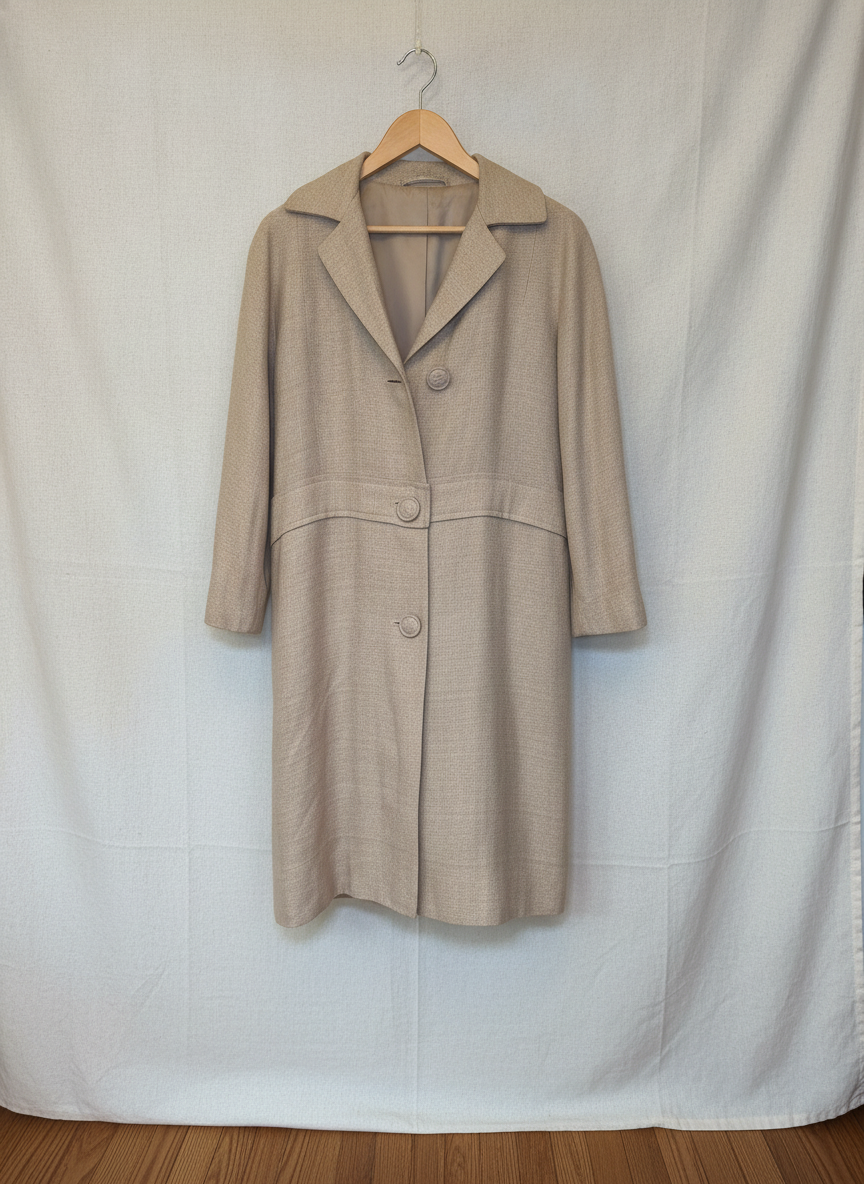
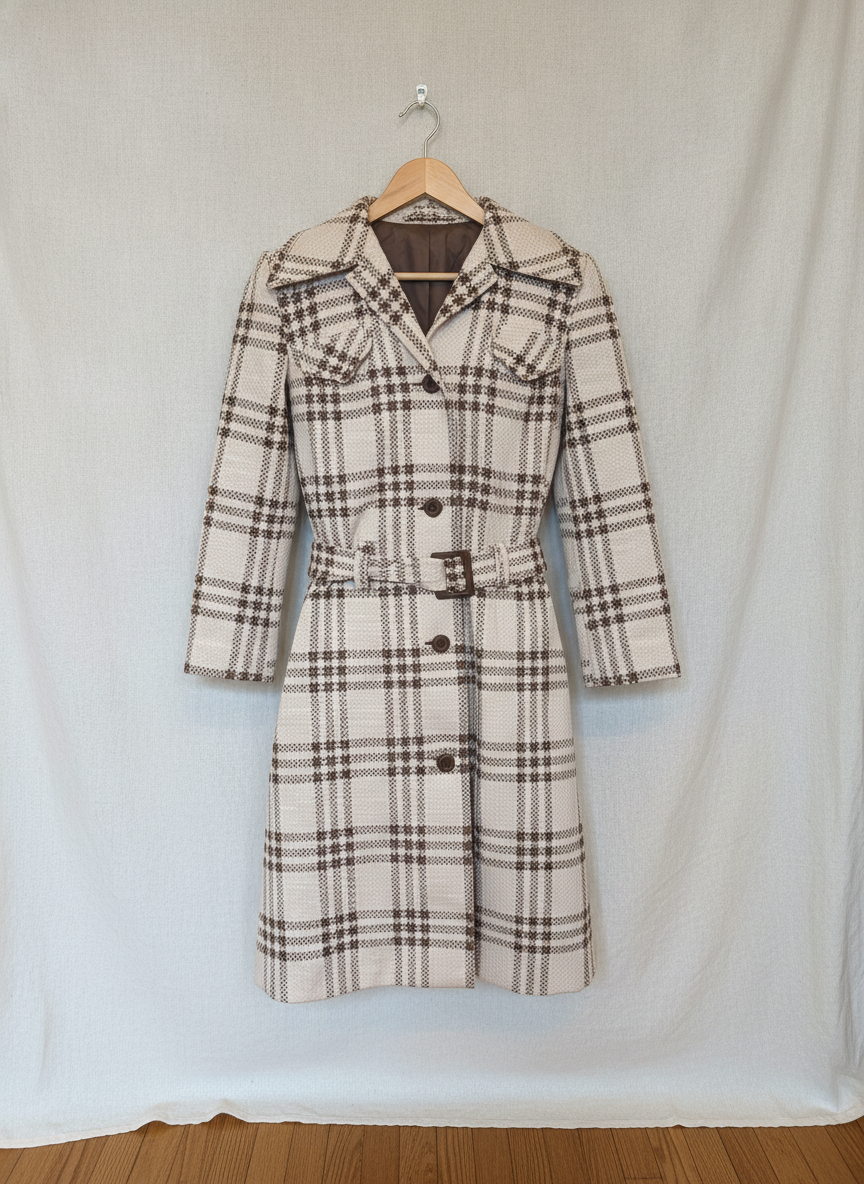

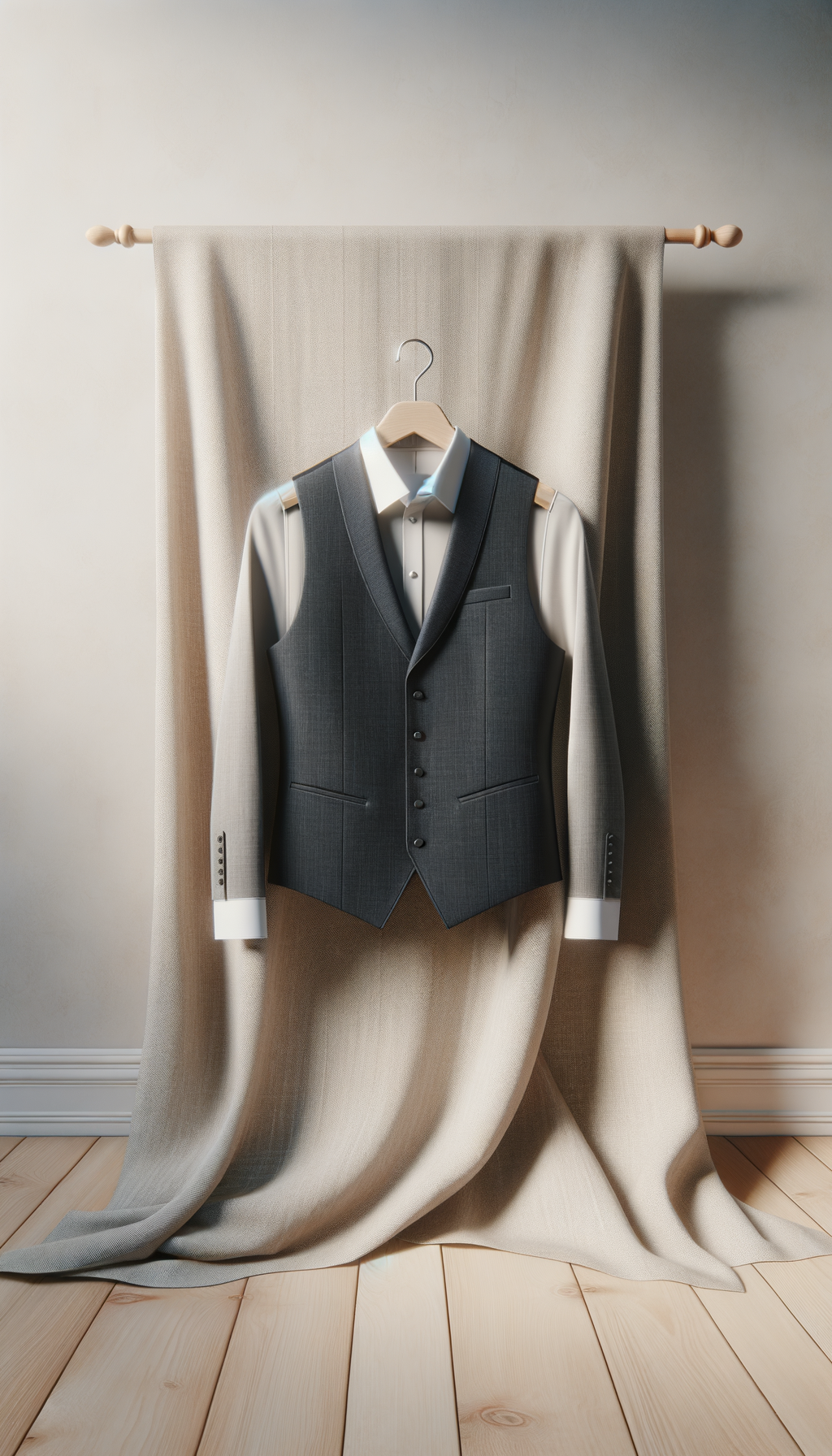
Because each piece is one of one, vintage moves faster than the rest of the catalog. If you have a date in mind, tell us on the form and we will hold the piece or say plainly that we can't.
Why Rent Vintage Instead of Buying It
Vintage is the category where buying goes wrong most often. You find the right decade and the wrong measurements, or a piece that photographs beautifully and turns out to have a failing zipper, or something perfect for one themed party and useless for the next decade of your life.
One Event, One Price
Two full weeks, $10 to $95. No deposit, no resale hassle when the party is over.
Already Inspected
Old garments have old seams. We note real condition before a piece goes out, so nothing is a surprise.
The Money Goes Somewhere
100% of net rental profits go to the charities on our Honor Roll at year end.
There is also the plainer argument. A vintage dress that has already lasted sixty years does not need to be replaced by a new one made this season to be worn once. Renting it is the lowest-impact version of getting dressed for an event. Our impact page has the reasoning.
Vintage, Retro, or Antique: What the Words Mean
These get used interchangeably and they don't mean the same thing. The distinction matters if you are shopping for a specific era or writing a dress code for a themed event.
Vintage
The common trade rule is 20 years or older, so as of today anything made before roughly 2006 qualifies. Most people mean something older than that when they say it.
Retro
New clothing made to look like an older decade. A reproduction 1950s swing dress sold today is retro, not vintage.
Antique
100 years or older. In clothing that means Edwardian and earlier, and it is usually too fragile to wear to an event at all.
If you want a specific decade, say the decade rather than the word vintage when you write to us. It is the fastest way for us to tell you whether we have it.
Vintage Sizing Does Not Match Modern Sizing
This is the single biggest reason vintage purchases get returned, and it is worth understanding before you rent. Clothing sizes have drifted for decades. A garment labeled size 14 in 1960 is cut much smaller than a size 14 today, often by four or more modern sizes. A label from the 1950s is even further off.
So ignore the number on the tag. What matters is bust, waist and hip in inches, plus shoulder width for anything structured like a jacket or a suit.
Tell us your measurements on the form and we will tell you which pieces actually fit, rather than letting you guess from a sixty-year-old label. If a piece has room to let out at the seams, we will say so. If it does not, we will say that too.
What Vintage Is Good For
Gatsby and 1920s Parties
The most common themed-event request there is. Drop waists, beading, fringe and metallic brocade read correctly on camera even from a later decade.
Film, Theater and Period Productions
Principal wardrobe and period accessories for productions working without a costume-house budget. What we can and can't cover.
Themed and Decade Parties
A real period piece beats a costume-shop version in every photograph. See our themed party guide.
Charity Galas and Black Tie
Vintage is the reliable way to not arrive in the same dress as someone else. Start with what to wear to a charity gala.
Weddings and Something Old
Borrowed and old in one garment. Guests use vintage to avoid the dress every other guest bought this season. See wedding guest rentals.
For Productions, Theater and Costume Departments
If you are dressing a period piece, the hard part is never the silhouette. It is finding real garments from the decade, in wearable condition, without paying a costume house day rate on a budget that does not have one.
That is most of what we hold. The archive is roughly 142 pieces built entirely from donations, and it skews toward the things period work actually needs and that are hardest to source cheaply: mid-century suits and skirt suits, structured coats and fur, brocade and beaded evening pieces, and a deep run of period jewelry, earrings and bracelets. Labels that turn up include I. Magnin, Gay Gibson, Joan Barrie, Abram Furs and Bruck's, alongside a great many unlabeled pieces that are exactly as period-correct.
Where we fit, and where we don't
Good fit
Principal and hero wardrobe, period accessories and jewelry, student and indie film, community and regional theater, museum and heritage displays, editorial and period photo shoots, music video and short-form.
Not a fit
Background and crowd work. We hold one of each piece, not racks of twelve. If you need forty extras dressed for 1954, a costume house is the right call and we will say so rather than waste your time.
What working with a nonprofit changes
The rate. Pieces run $10 to $95 for a two week window, and that window is per piece, not per day. For a short shoot that is usually less than the pull fee alone elsewhere. Longer holds for a production schedule are arranged case by case.
Everything is one of one. Donated stock means no doubles and no backup if a piece is damaged on set. Plan continuity around that, and tell us if a scene calls for distress or alteration, because the answer is usually no and it is better known in prep than on the day.
We can watch for a brief. Donations arrive continuously. If you send a breakdown early enough, we can flag pieces as they come in rather than only telling you what is on the rail today. That is the one thing a fixed rental inventory cannot do.
Where the money goes. FashionablyGood is a 501(c)(3). 100% of net rental profits are disbursed to the charities on our Honor Roll, which is a line a lot of productions are glad to have in the credits or the press notes.
Sending a breakdown
Use the production form on this page, or email dan@fashionablygood.com directly. Useful to include: the period, the shoot or run dates, how many looks, principal sizes or measurements, and whether you need pieces shipped to a studio or a personal address. We reply with what is actually available rather than a catalog link, and we will tell you plainly when we cannot cover it.
How Renting Works
1. Tell us the event and your measurements. Use the form on this page. Include the date, the decade or look you want, and bust, waist and hip in inches.
2. We tell you what actually fits. Honestly, including when the answer is that nothing in the current collection works for you.
3. It ships free. Both directions. Your two week rental starts the day it is delivered.
4. Wear it. Normal wear is expected on a garment this old and is covered at no charge.
5. Send it back in the prepaid mailer. Cleaning is on us, and it is done the way an older garment needs. Full terms are in our rental terms.
Have Vintage Clothing to Donate?
Most vintage that comes to us arrives the same way: someone is clearing a closet, a parent's home, or an estate, and the good pieces are too nice for a thrift bin and too much work to sell one at a time.
We take those by mail, photograph them, and rent them out for events again and again. You get an itemized receipt and set the value yourself at filing time, per IRS rules. Start with the 2026 value guide, the vintage donation page, or just request a free mailer. If you are working through a whole wardrobe, downsizing an estate covers the bigger version.
Vintage Rental Questions
Can you actually rent vintage dresses?
Yes. Pieces on this page rent for $10 to $95 for two weeks, shipped free both ways anywhere in the United States. The collection is small and one of a kind because everything in it was donated rather than bought.
What size is a vintage size 12?
Much smaller than a modern 12, often by three or four sizes. Sizing standards have drifted steadily since the 1950s. Go by bust, waist and hip measurements in inches and disregard the tag entirely.
Is vintage clothing safe to wear to an event?
Most of it, yes, if it has been checked. We inspect seams, zips, closures and underarm areas before anything goes out and note real condition. Genuinely fragile pieces are not rented at all.
What decade do I want for a Gatsby party?
The 1920s, technically. In practice the look people recognize is drop waist, beading, fringe, metallic fabric and a low back. Pieces from later decades that carry those elements photograph correctly and are far easier to find in a wearable size.
Can I have a vintage piece altered?
No. These are rentals and they go back out to the next person, so nothing is cut or taken in. Tell us your measurements and we will match you to something that already fits.